
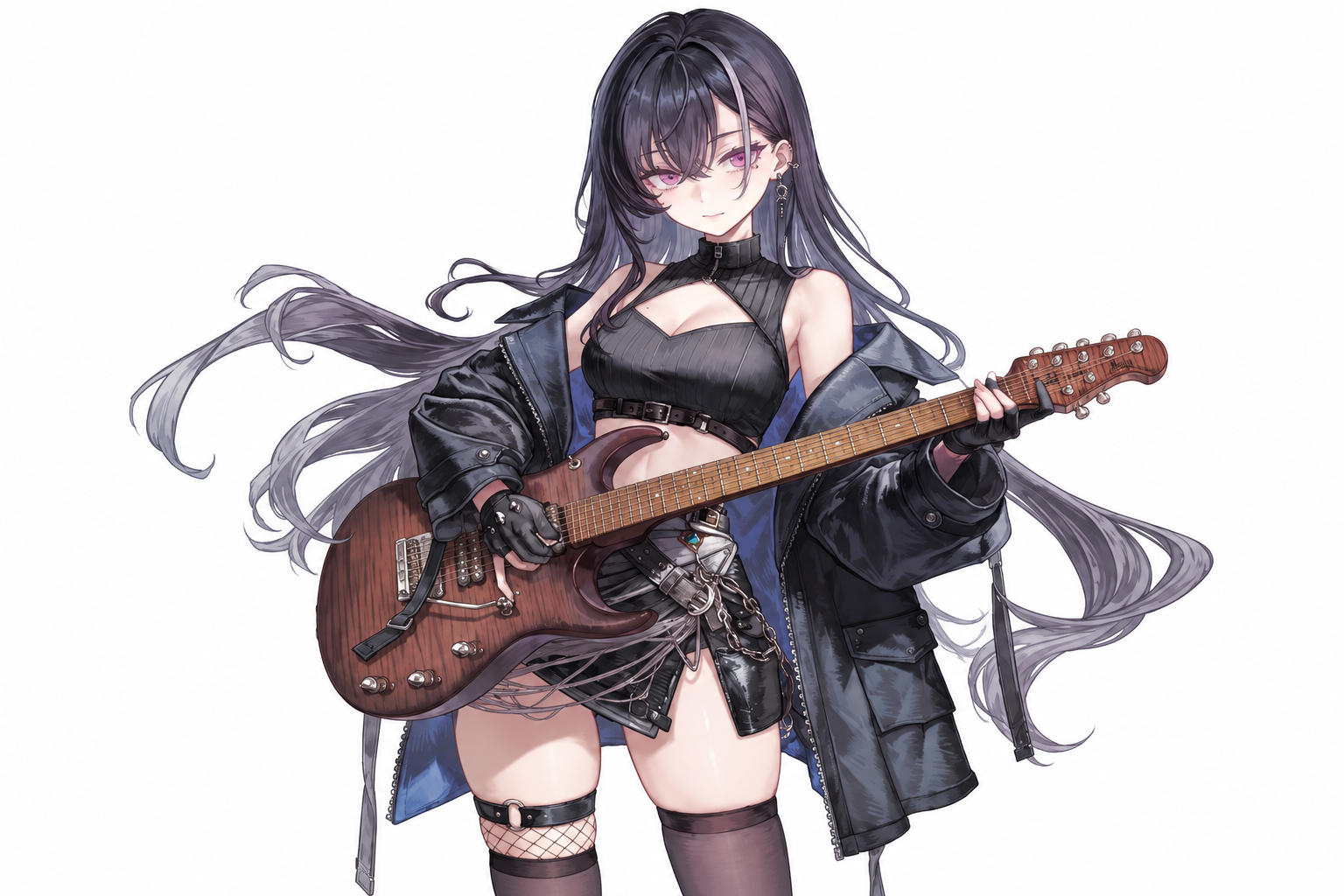
Artist Spotlight: Wildstrokes — Bringing Characters, Emotion, and Imagination to Life with Ismail
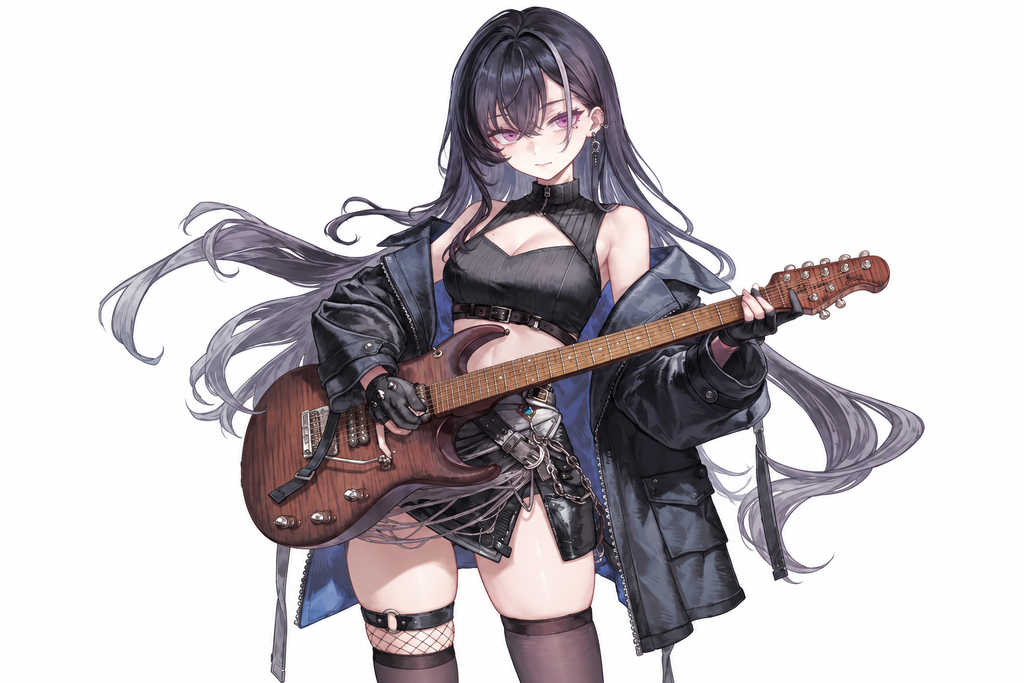
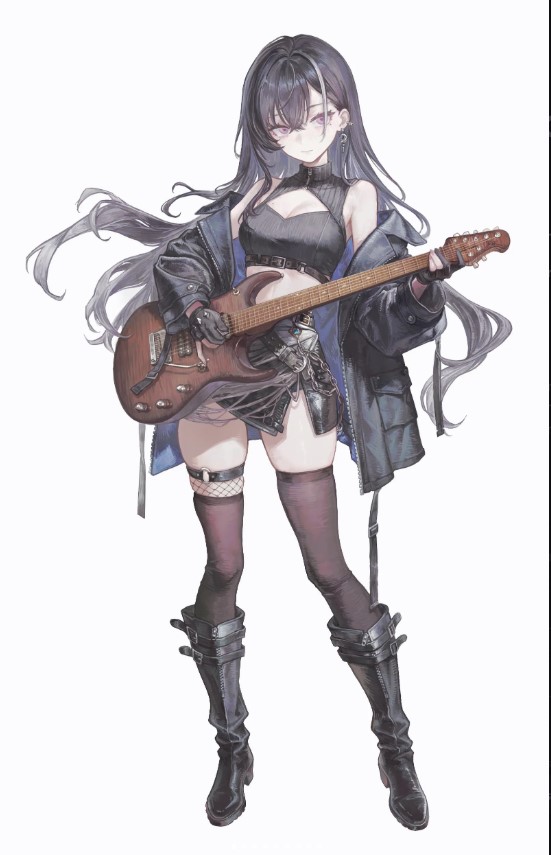
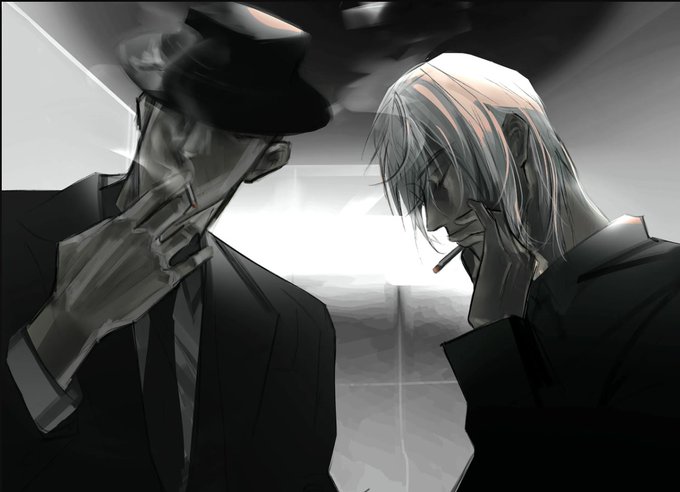
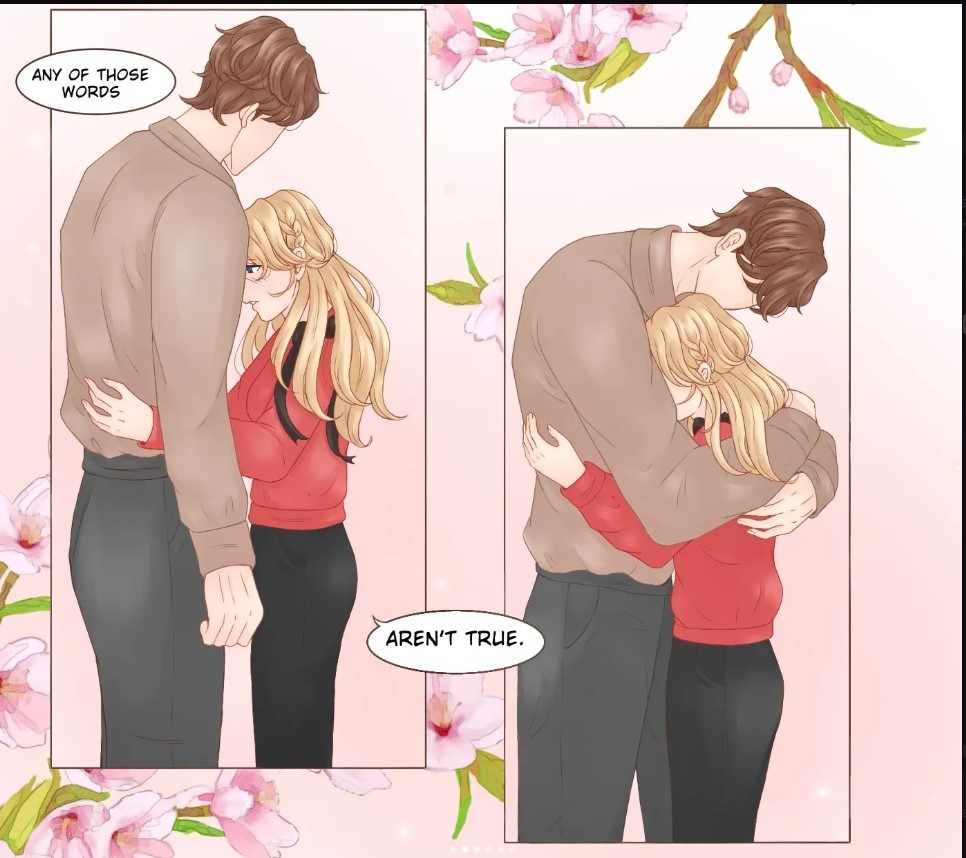
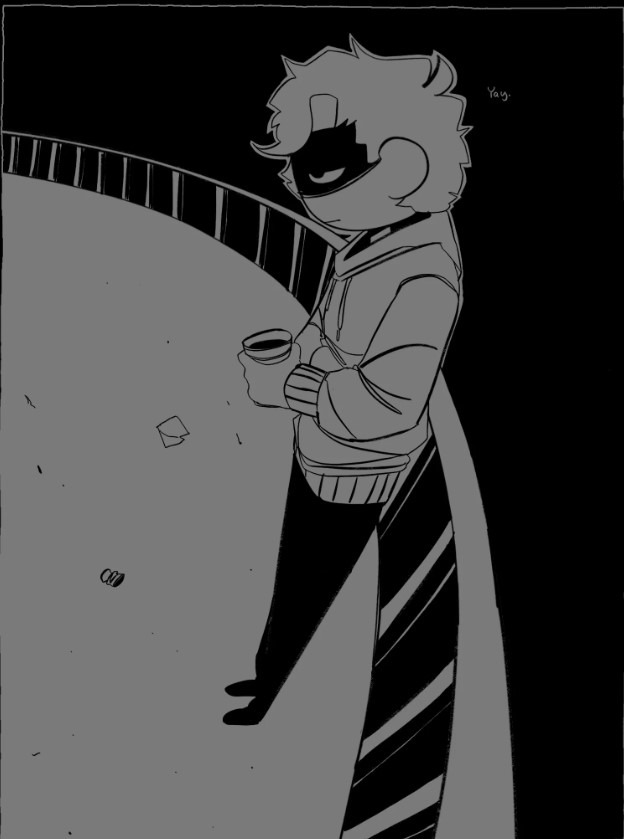
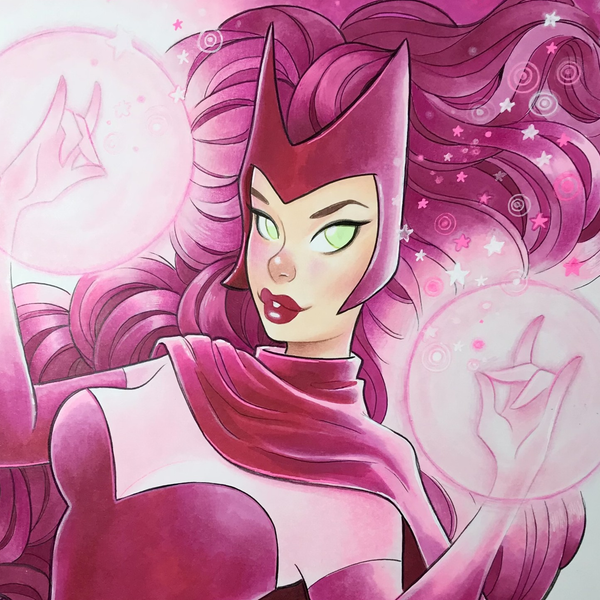
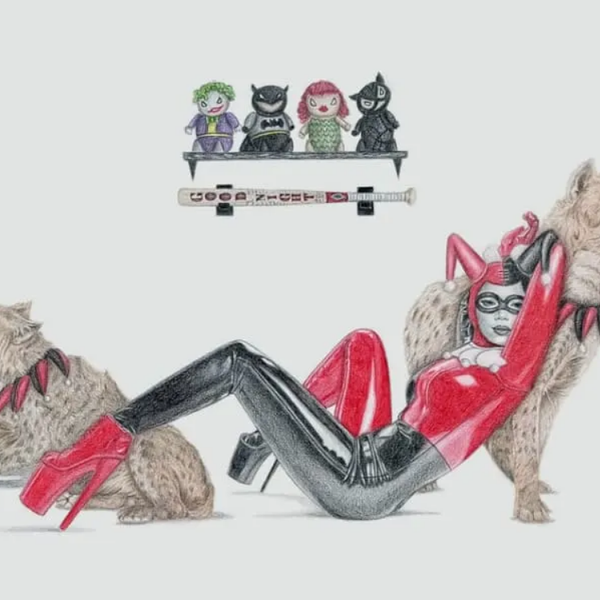
In this edition of Serpentor’s Lair Artist Spotlight, we sit down with Ismail, the artist behind Wildstrokes, whose character-driven illustrations combine expressive linework, atmosphere, emotion, and visual storytelling. Whether he is developing an original character, interpreting a familiar favorite through fan art, or transforming a client’s concept into a commissioned illustration, Ismail approaches his work with an emphasis on personality and story. His goal is not simply to create an attractive image, but to make each character feel as though they inhabit a larger world beyond the boundaries of the artwork.
For Wildstrokes, collaboration is also an essential part of the creative process. From learning the personality and history of a client’s original character to refining poses, lighting, expressions, and composition, Ismail strives to make commissioning artwork an experience in which the creator’s vision and the artist’s instincts work together. We spoke with him about developing his distinctive style, bringing original characters to life, approaching fan art, working with commissioners, and where he hopes to take Wildstrokes in the years ahead.
1. For readers discovering your work for the first time, how would you introduce yourself as an artist, and what do you feel makes your style immediately recognizable as your own?
Ismail: I’m Ismail, and I work under the artist name Wildstrokes. I mainly focus on character-driven illustration, original characters, fan art, and pieces that have some kind of emotion or story behind them.
I think what makes my work feel like mine is the combination of expressive characters, strong linework, atmosphere, and the way I try to make even a single illustration feel like it belongs to a bigger scene or story.
2. Your portfolio includes illustrations, original characters, and fan art. Which type of work gives you the most creative freedom, and what do you enjoy most about each of those areas?
Ismail: Original character work probably gives me the most freedom because there isn’t already an established visual identity I have to stay within. I can explore the personality, clothing, expressions, pose, mood, and overall visual language from the ground up.
With commissions, I really enjoy taking something that has mostly existed in someone else’s imagination and turning it into something they can actually see.
Fan art is different because the character already has an identity people recognize. The fun part there is finding a way to keep what people love about that character while showing them through my own interpretation.
3. When someone commissions you, how do you turn their initial idea into a finished piece while still incorporating your own artistic voice and creative instincts?
Ismail: I usually start by understanding what matters most to the client rather than immediately drawing. I want to know the character, the mood, the important visual details, and what they want someone to feel when they see the finished piece.
From there, I start building the composition and sketch. I keep the important parts of their idea intact, but I also use my own judgment with things like posing, expression, lighting, framing, and visual storytelling.
I think the best commissions happen when it feels collaborative rather than either side completely controlling the other.
4. Original characters can be incredibly personal to their creators. What do you enjoy most about bringing another person’s OC to life, and what information helps you capture that character’s personality accurately?
Ismail: That personal connection is actually one of my favorite things about drawing OCs. Sometimes a creator has been imagining a character for months or even years, so seeing their reaction when the character finally looks the way they imagined is really rewarding.
Visual references definitely help, but personality information is just as important. I like knowing how the character behaves—whether they are confident, awkward, intimidating, calm, energetic, reserved, etc.
Even small details about their relationships, habits, or backstory can change the way I approach their expression and body language.
5. What does your creative process typically look like from the moment an idea is presented to you through sketching, revisions, coloring, and the final illustration?
Ismail: First, I collect the references and make sure I understand the concept. Then I usually work out the pose and composition through the sketch.
I prefer getting the important structural decisions right early because that’s the easiest stage to make major changes. Once the sketch and direction are approved, I move into cleaner linework and then coloring, lighting, rendering, and smaller details.
I normally keep revisions involved throughout the process rather than disappearing and only showing the client the finished artwork. It makes the final result much closer to what they imagined and avoids surprises at the end.
6. Fan art often allows artists to reinterpret familiar characters through their own perspective. How do you balance staying true to a character’s identity while still making the artwork distinctly yours?
Ismail: I try to separate the things that make the character recognizable from the things I can creatively reinterpret.
Their personality, key design features, and overall presence should still feel authentic. But composition, expression, atmosphere, lighting, linework, and the way the scene is presented give me a lot of room to bring my own style into it.
I never want someone to look at fan art and wonder who the character is, but I also don’t want it to feel like I simply copied an existing image.
7. For someone considering commissioning you for the first time, what kinds of projects are you most excited to take on, and what should a potential client know before reaching out?
Ismail: I’m especially interested in character-focused pieces, OCs, fan art, illustrations with storytelling, and ideas where the client has a strong concept but also gives me some creative room to explore it.
A client doesn’t need to arrive with a perfectly written brief either. References and a general idea are enough to start a conversation. We can figure out the details together.
The biggest thing I appreciate is clear communication. If there is something you definitely want included or something you definitely don’t want, tell me. I would much rather know early and build the artwork around it.
8. Social media gives artists an opportunity to build a community around their work. How important has the support of followers, fellow artists, and commissioners been to your growth, and what is the best way people can support your work beyond simply liking a post?
Ismail: It means a lot, especially because art can be a very isolated process while you are actually making it. Having people comment on a piece, share it, discuss it, or come back to see what you make next makes the work feel like it exists beyond just my screen.
Sharing an artist’s work is probably one of the biggest forms of support because it introduces their work to people who may never have found them otherwise. Comments and genuine interaction also mean more than people sometimes realize.
And, of course, commissioning an artist when you genuinely connect with their work directly supports them while also giving them an opportunity to create something new.
9. What are some artistic techniques, influences, or areas of your craft that you are currently trying to develop, and where would you like to see your artwork evolve in the next few years?
Ismail: I’m always trying to improve how much story and emotion I can communicate visually. Things like stronger composition, more expressive body language, lighting, atmosphere, and making characters feel like they actually exist inside their environment rather than simply being placed on top of it.
I also want to keep experimenting instead of locking myself into one exact look forever. I want my work a few years from now to still be recognizable as mine, just more confident, more expressive, and more ambitious.
10. If someone finishes reading this interview and wants to follow your work or commission an original piece, what would you want them to know about you, your art, and the experience you hope to provide when working together?
Ismail: I’d want them to know that I genuinely care about the idea behind the artwork, not just completing another commission.
When somebody trusts me with their character or concept, I want the finished piece to feel personal to them. I want the process to be collaborative, comfortable, and open enough that they can tell me what they love or what they want changed without feeling awkward about it.
At the end of the day, I want someone to walk away with something that feels like their idea came to life, while still having that Wildstrokes touch to it.
The Wildstrokes Touch
What becomes clear throughout our conversation with Ismail is that Wildstrokes is about more than creating a visually impressive character—it is about finding the personality and story inside that character. His approach to original characters, commissions, and fan art is rooted in collaboration, communication, and an understanding that the smallest choices in expression, posture, lighting, and atmosphere can completely change the way an audience connects with an illustration.
That philosophy is especially meaningful in commissioned artwork, where an artist is often being trusted with a character or idea that has existed in someone else’s imagination long before it reaches the page. Ismail embraces that responsibility while still bringing his own creative instincts to every project. As Wildstrokes continues to experiment with composition, atmosphere, visual storytelling, and increasingly ambitious illustrations, that balance between an artist’s individual voice and a client’s personal vision remains at the heart of the work.
For collectors, creators, and fans looking for an artist who treats their ideas as something to develop rather than simply another assignment to complete, Wildstrokes offers something increasingly valuable: a collaborative process designed to make an imagined character feel real.
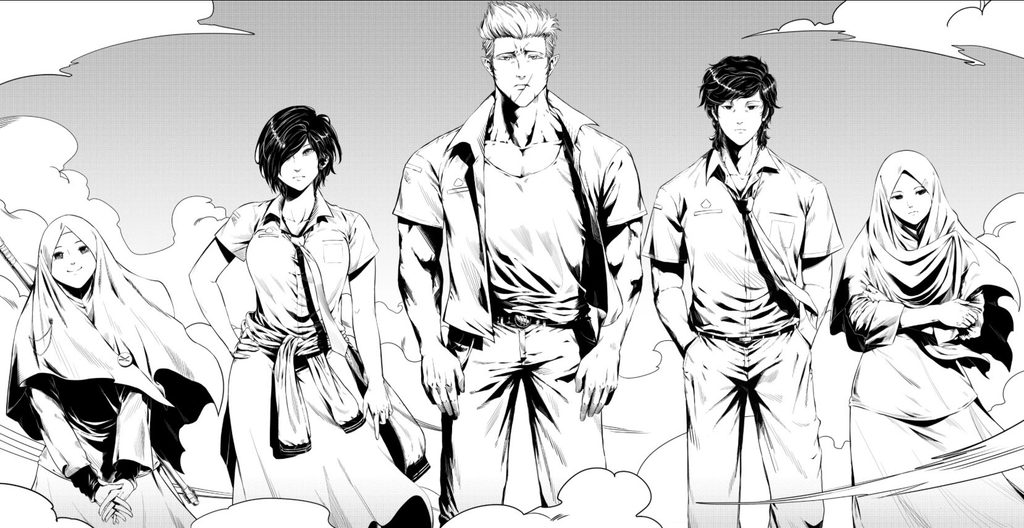
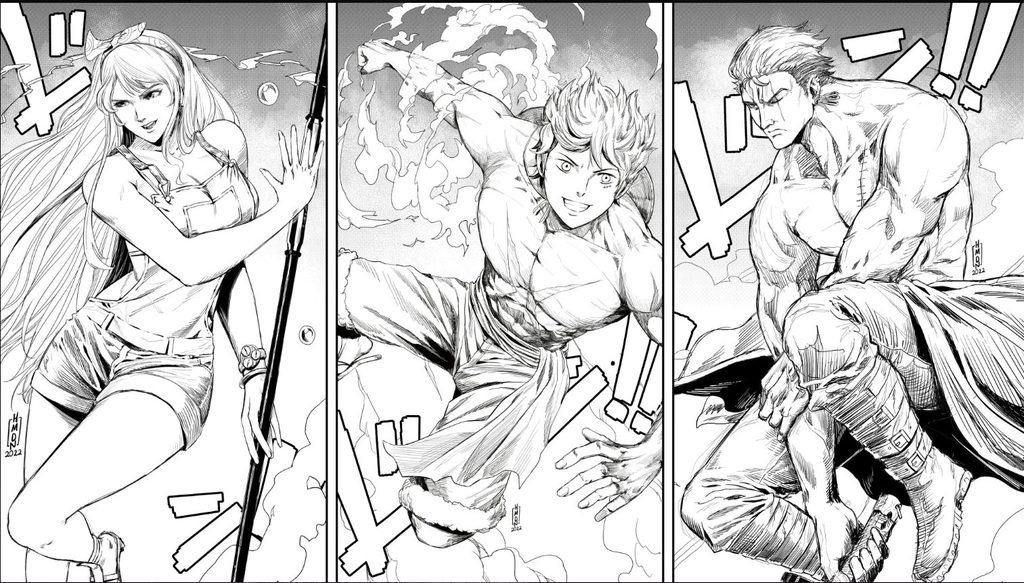

My experience with this style is that it sometimes struggles when the background detail becomes too overwhelming.